If your nightgown keeps heat, warm climate can make relaxing nights into sweaty fights. The precise fabric, cut, and care tedious can help you stay cool, cut down on sweating, and have better sleep overall. You may not wake up waterlogged if you pay interest to how breathable, moisture-wicking, and skin-friendly the fabric are. Follow the steps below to pick garments that let air circulate, wick away sweat, and experience mild as a feather on your skin.
Why it matters that things can breathe
The body tells you it’s time to sleep when your core temperature decreases. Heavier or unreal garments trap heat and prevent this procedure. Breathable fabric eliminate warmth and moisture, keeping off clamminess, flushes, and tossing. A cooler micro-climate encourages deeper REM cycles, which expands morning awareness.
The Best Fabrics for Sleeping Cool
Pick natural or high-tech fibers that are made to let air flow:
- Organic cotton: The soft, porous weave pushes moisture away.
- Bamboo viscose: It absorbs moisture and is naturally antimicrobial.
- Linen: Open fibers let heat out rapidly.
- Tencel™ (lyocell): Soft to the touch and good at moving moisture.
- Look for “cool touch” labeling and mesh panels on performance microfiber.
Quick Test of the Fabric
Put a little bit on your cheek and rub it in. It will probably work well on hot evenings if it feels cool and you can simply blow air through the weave.
Things to think about when it comes to fit and design
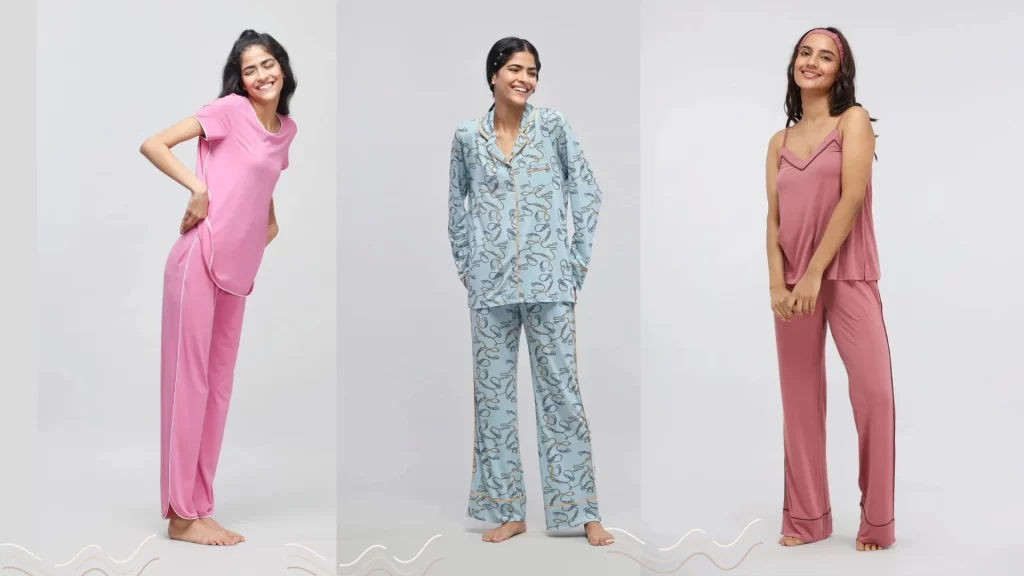
A loose shape enables air flow between the fabric and the skin. Put first:
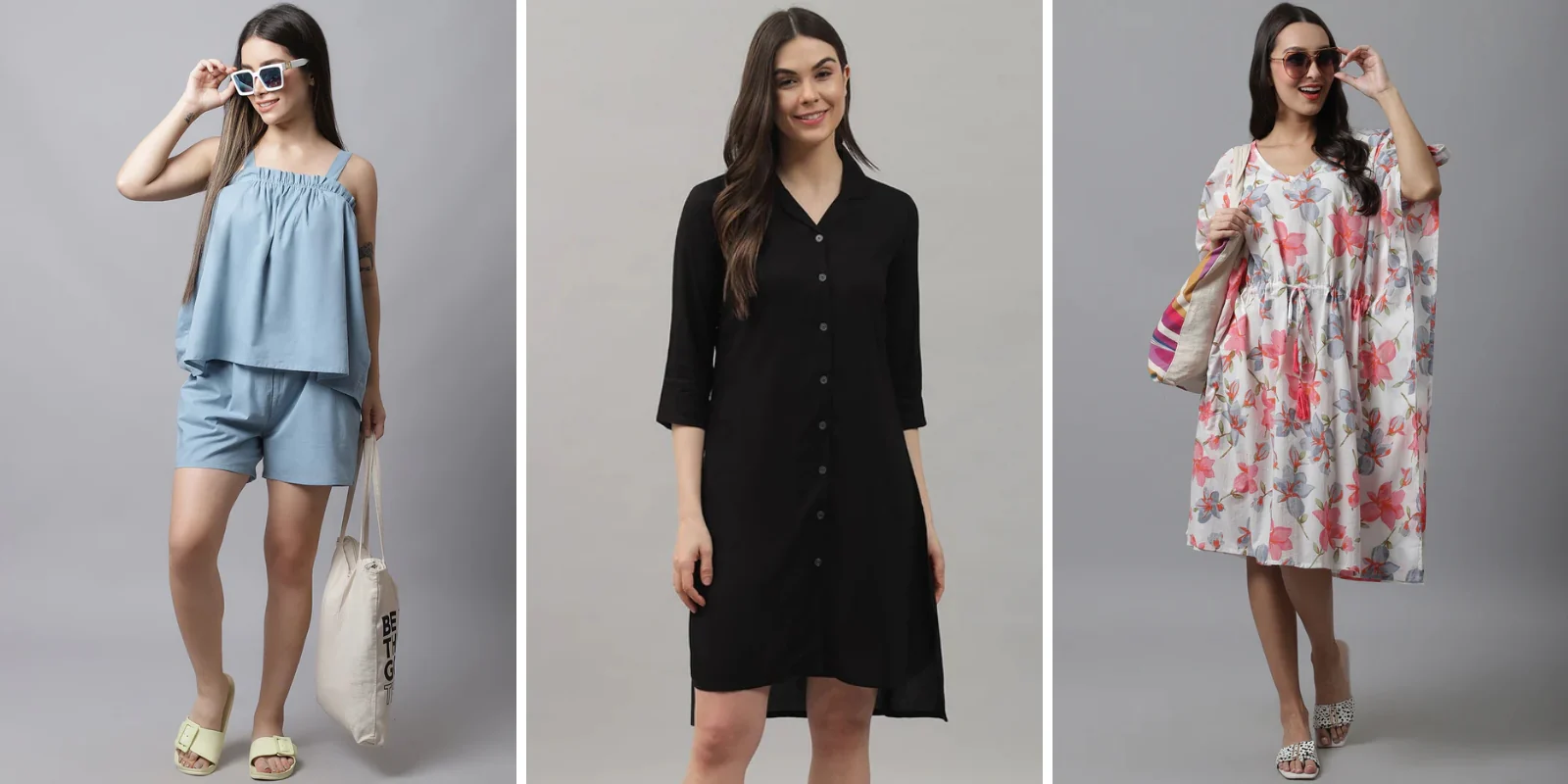
- Boxy tees, wide-leg shorts, or chemises that skim the calves are all relaxed cuts.
- Less seams: Fewer stitches make it less hectic and let greater air flow.
- Sleeveless or brief sleeves: Let your pulse factors exhibit to cool off.
- V-necks and scoop necks let stuck heat out of open necklines.
Don’t wear tight elastics around your waist or cuffs. They might trap sweat and make it hard for blood to flow.
Features for Managing Moisture
To stay dry, look for these things:
- Mesh inserts in places where you sweat a lot, such the back or underarms.
- Tagless labels to cut down on rough patches.
- Flatlock stitching that feels easy on the skin.
- Quick-dry remedies that pull sweat to the surface of the cloth, where it dries faster.
FAQs
Q1: Does the number of threads effect how breathable something is?
Yes. Lower numbers (around 200) let more air flow, but very high counts might keep heat in.
Q2. Are synthetic blends always terrible for the summer?
Not always. Some modern microfibers with open-cell architectures can handle moisture better than some natural fabrics.
Q3. How many sleep clothes should I switch out when it’s really hot?
Three or four sets enable each piece dry completely between wears, which stops bacteria from growing and makes the cloth last longer.
Conclusion
Picking breathable sleepwear includes outcome the right balance between fabric, cut, and care. Choose natural or classy fabrics, roomy designs, and features that move moisture. Then, wash them gently to keep them working well. If you follow these procedures, even the hottest prediction won’t steal your nightgown.