The shifting dynamics of the market have made a lot of Greek investors reconsider long-established portfolio policies especially in terms of fixed-income and assets. Although bonds have been a fundamental part of a conservative investment plan, an increasing number of traders in Greece are turning to precious metals trading. What is causing this change is the interest rates volatility, inflation, and the prospects of the government debt instruments in the long-run. To others, precious metals have become a more flexible and safer option.
In the last few years, low interest rates reduced the attractiveness of bonds among Greek investors who are interested in obtaining steady returns. Once the yields on the government debt curve dip below the inflation rate, the value of such investments starts to be eroded. The investors are turning away from traditional bonds in providing income which is limited and raising doubts about the future of monetary policy of Europe. On the contrary, gold and silver are more and more considered as safe harbor assets that act differently in relation to inflation and economic fluctuations.
The trading in precious metals provides a kind of resilience that is lacking in many of the more traditional fixed-income products. As opposed to bonds, which are pegged to credit of the issuer and interest rate trends, metals are judged universally and are not pegged or related to the stability of one institution or the other. This autonomy attracts investors during periods of unpredictability or where people lack confidence in government banks. These concerns are especially sensitive for Greek investors, many of whom were the first victims of the national debt crisis.
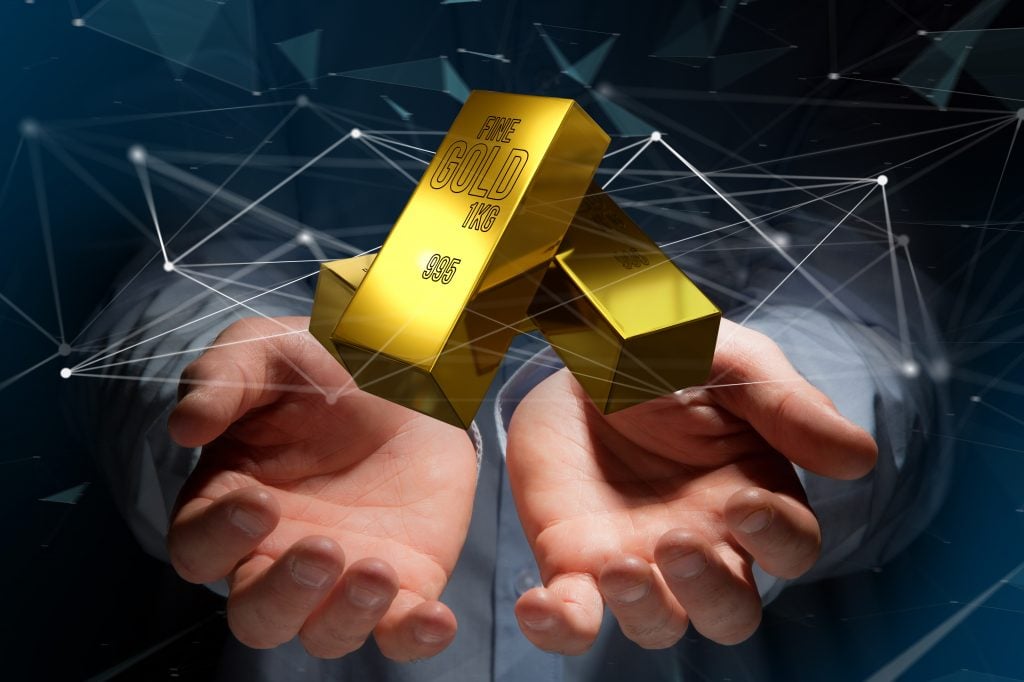
Precious metals are also very liquid which makes them more attractive. With the relative ease of buying and selling gold or silver through digital platforms, traders are able to react faster to market developments when compared with holding long-term bonds. It is this adaptability that enables the Greek investors to respond to changes in inflation rates, geopolitical developments or currency fluctuations. The case is different with bonds which may tie up investors in long term commitments and which do not easily allow rapid response.
Online trading tools, real-time pricing, and the extended financial education have made precious metals trading more accessible all over Greece. Before it took a profound knowledge of international markets to invest in them but the same is now accessible to a larger scope of investors. These sites help customers learn the effect of metals as hedges and also serve as strategic assets in a diversified portfolio. Enhanced transparency in terms of pricing and performance in previous periods encourages investors to make individual choices to align with their objectives.
Not all Greek investors are moving away from bonds but they are reducing their bond positions in favor of metals. This reshuffle is in an attempt to square portfolios in a manner that suits contemporary risks. Other assets can be complemented by precious metals as they are more stable in times when the interest rates are unstable and may as well perform better in case of poor performance of traditional assets. They are also able to provide a sense of relief in a case where they act as a precaution to any form of disruption on the system.
The shift towards precious metals is not something that was necessitated by current events only. It indicates a second-order shift in the way Greek investors think about security, profit and agency. They are inventing investment strategies that they feel are more flexible and suited to a financial world that no longer offers certainty by going to metals. As the conditions keep changing, precious metals are very likely to play a more dominant role in the Greek portfolio that aims at both preserving and exploiting opportunities.